Here are some fun and interesting food facts. We hope you enjoy reading about some of these random and interesting facts about food as much as we did putting them together.This 5 foods will definitely blow your mind.
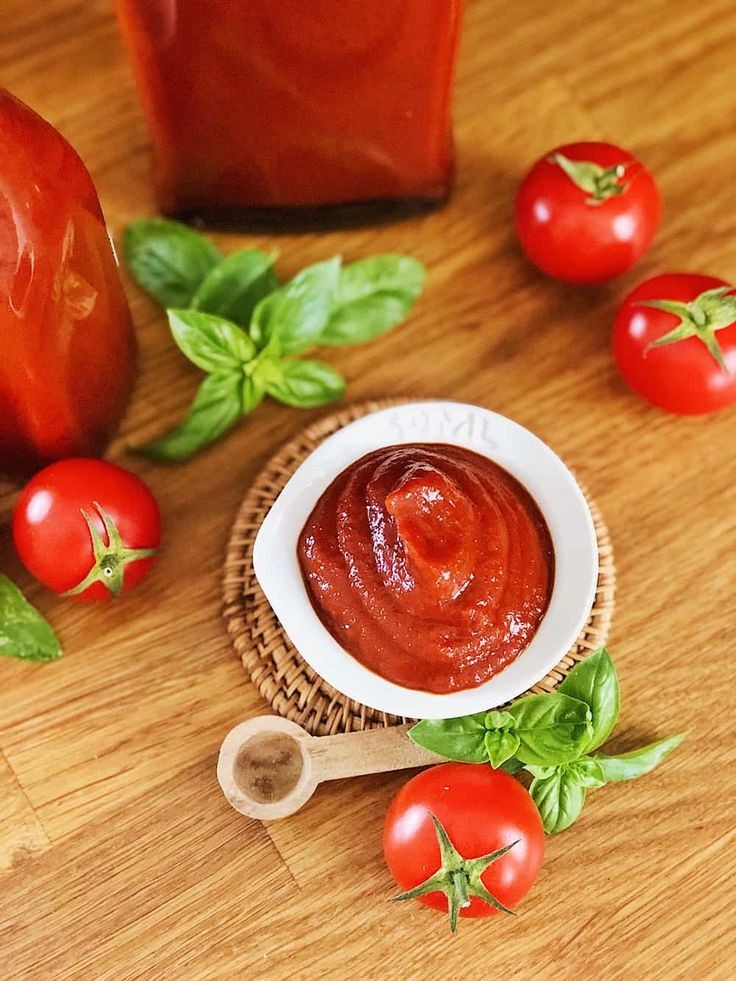
1. During 1800s, it was believed that ketchup has medicinal qualities. It could cure ailments like diarrhea.
Chicken 2. Chicken contains 266 percent more fat than it did 50 years ago. A study has claimed that chicken, now, has more fat than proteins.
3. The most stolen food in the world is ‘Cheese ’. As per reports, 4 percent of the total cheese produced globally is stolen.
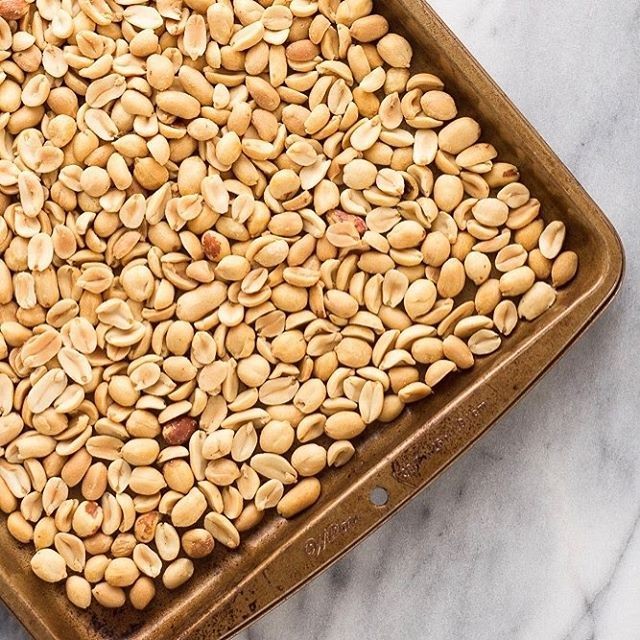
4. Peanuts can be used to make dynamite. The oil derived from peanuts can be processed to produce glycerol. This, in turn, can be used to make nitroglycerin, one of the constituents of dynamite.
5. Chocolate was once used as currency. The Maya civilization used it as money.
Proper nutrition and hydration are vital and people who eat a well-balanced diet tend to be healthier with stronger immune systems and lower risk of chronic illnesses and infectious diseases. So you should eat a variety of fresh and unprocessed foods every day to get the vitamins, minerals, dietary fibre, protein and antioxidants your body needs. Drink enough water. Avoid sugar, fat and salt to significantly lower your risk of overweight, obesity, heart disease, stroke, diabetes and certain types of cancer.
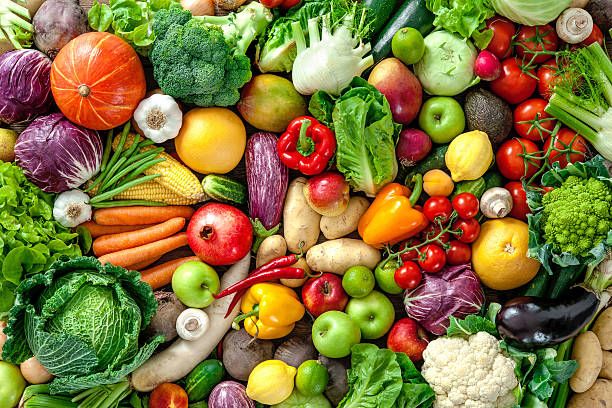
Eat fresh and unprocessed foods every day
Eat fruits, vegetables, legumes (e.g. lentils, beans), nuts and whole grain and foods from animal sources (e.g. meat, fish, eggs and milk). For snacks, choose raw vegetables and fresh fruit rather than foods that are high in sugar, fat or salt. Do not overcook vegetables and fruit as this can lead to the loss of important vitamins.
“Healthy eating is a way of life, so it’s important to establish routines that are simple, realistically, and ultimately livable.”
Drink enough water every day
Water is essential for life. It transports nutrients and compounds in blood, regulates your body temperature, gets rid of waste, and lubricates and cushions joints. Drink 8–10 cups of water every day. Water is the best choice, but you can also consume other drinks, fruits and vegetables that contain water, for example lemon juice (diluted in water and unsweetened), tea and coffee. But be careful not to consume too much caffeine, and avoid sweetened fruit juices, syrups, fruit juice concentrates, fizzy and still drinks as they all contain sugar.
“Thousands have lived without love, not one without water.”
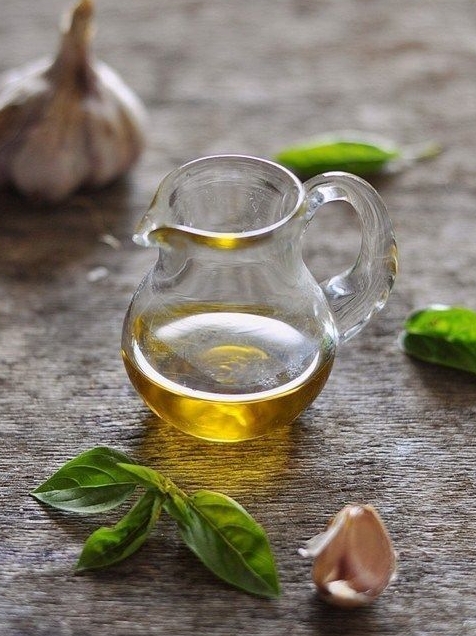
Eat moderate amounts of fat and oil
Consume unsaturated fats (e.g. found in fish, avocado, nuts, olive oil, soy and sunflower) rather than saturated fats (e.g. found in fatty meat, butter, coconut oil, cream, cheese and ghee). Choose white meat (e.g. poultry) and fish, which are generally low in fat, rather than red meat. Avoid processed meats because they are high in fat and salt. Avoid industrially produced trans fats.
Eat less salt and sugar
When cooking and preparing food, limit the amount of salt. Limit your daily salt intake to less than 5 g (approximately 1 teaspoon), and use iodized salt. Avoid foods (e.g. snacks) that are high in salt and sugar. Limit your intake of soft drinks or sodas and other drinks that are high in sugar (e.g. fruit juices, fruit juice concentrates and syrups, flavoured milks and yogurt drinks). Choose fresh fruits instead of sweet snacks such as cookies, cakes and chocolate.
Avoid eating out
Eat at home to reduce your rate of contact with other people and lower your chance of being exposed to COVID-19. We recommend maintaining a distance of at least 1 metre between yourself and anyone who is coughing or sneezing. That is not always possible in crowded social settings like restaurants and cafes. Droplets from infected people may land on surfaces and people’s hands (e.g. customers and staff), and with lots of people coming and going, you cannot tell if hands are being washed regularly enough, and surfaces are being cleaned and disinfected fast enough.
Counselling and psychosocial support
While proper nutrition and hydration improve health and immunity, they are not magic bullets. People living with chronic illnesses who have suspected or confirmed COVID-19 may need support with their mental health and diet to ensure they keep in good health. Seek counselling and psychosocial support from appropriately trained health care professionals and also community-based lay and peer counsellors.
This article covers top 3 healthiest food that you can have daily to keep yourself healthy and fit.
It is important to have knowledge about food that are healthy and filled with nutrients and minerals.A balanced diet will not only make you healthy and fit but also increase your life span and free you from diseases.
1.Lentils
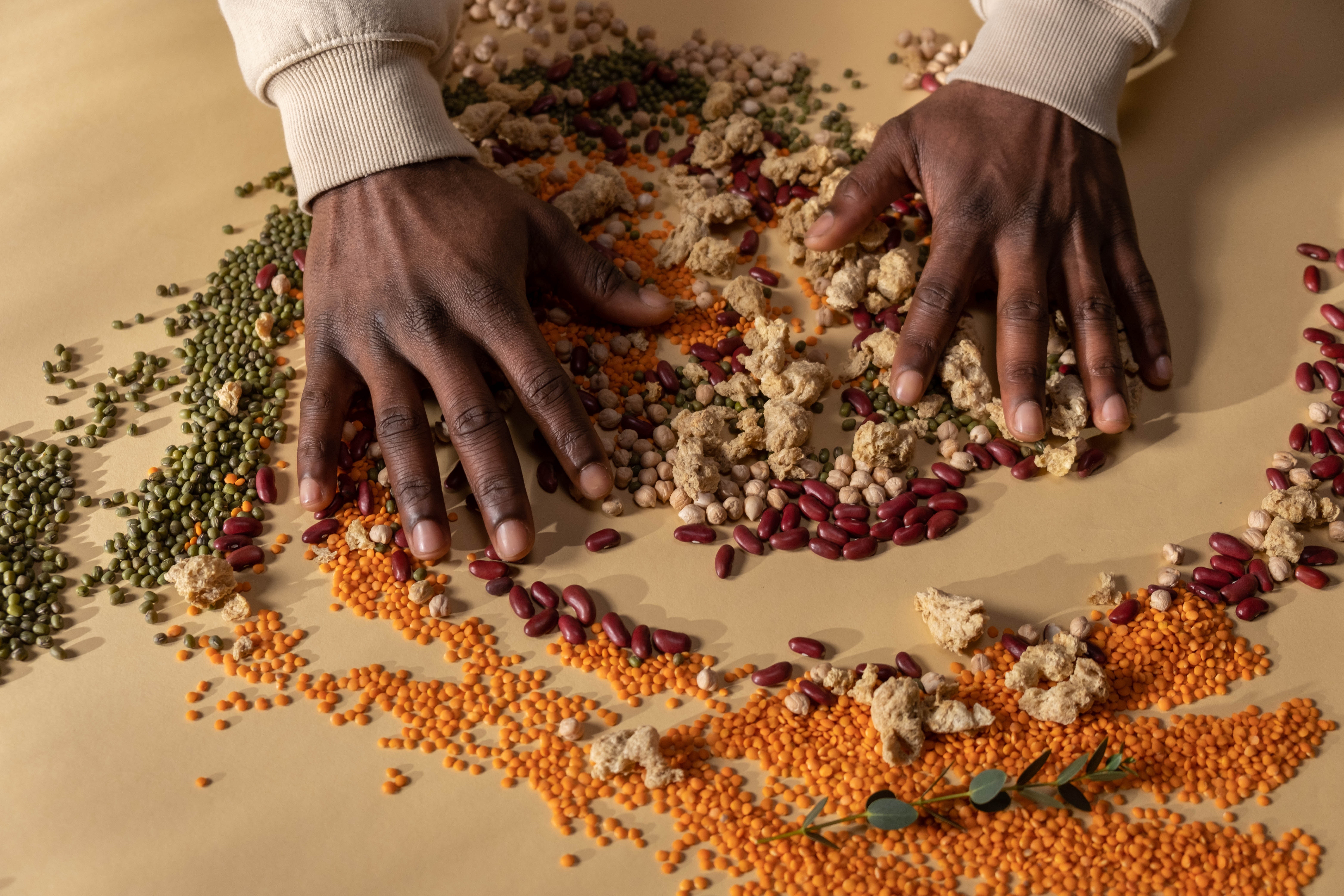
Lentils,like beans, are legumes. They’re high-protein and edible pulses that grow in pods.They typically sold dried and look like tiny lenses have a earthy flavor.
Lentils are found in all over the world,including India,Bhutan,Nepal and Sri Lanka.They provide a very good amount of fiber,potassium and magnesium.
Lentils are cooked with spices,herbs and vegetables.
2.Oatmeal
This food has become very popular from past 2 decades.
In 1997, the Food and Drug Administration (FDA) agreed that foods with high levels of oats could include data on the label about their cardiovascular health benefits as part of a low fat diet.Due to this its gaining popularity.
Research has found that the cereal’s soluble fiber content helps lower cholesterol levels,reduce cardiovascular risk factors. Oats contain complex carbohydrates and water-soluble fiber. These slow down digestion and help stabilize levels of blood glucose.
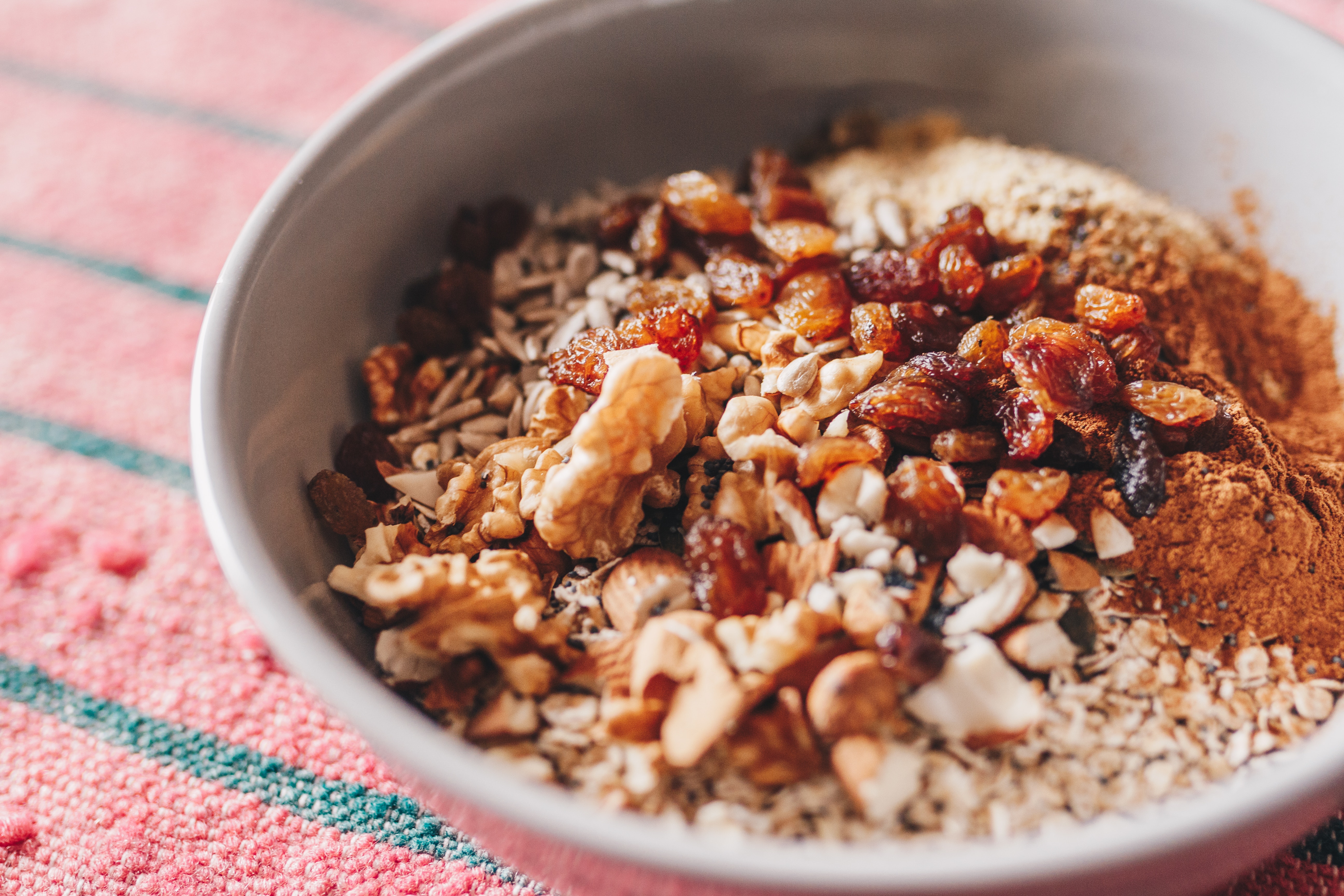
Oatmeal is also a good source of potassium and folate.It is easy to cook food and can be eaten with fruits to make it more tasty.
3.Apple
Apples are an excellent source of antioxidants, which combat free radicals in our body. Free radicals are damaging substances that the body generates.
According to Harvard Health Publishing, both types of fiber (insoluble and soluble, which means it can’t be absorbed in water) are important for digestion. And you’re very lucky that apples have both types, according to the University of Illinois.
Free radicals cause undesirable changes in the body and may contribute to chronic conditions, as well as the aging process.
Some studies have suggested that an antioxidant in apples might extend a person’s life span and reduce the risk of chronic diseases.







 Daily Healthyou