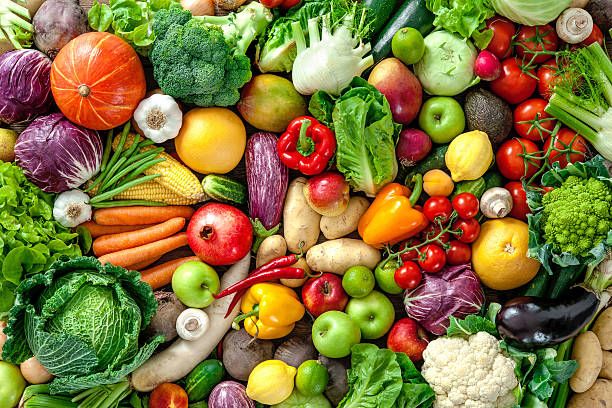
Proper nutrition and hydration are vital and people who eat a well-balanced diet tend to be healthier with stronger immune systems and lower risk of chronic illnesses and infectious diseases. So you should eat a variety of fresh and unprocessed foods every day to get the vitamins, minerals, dietary fibre, protein and antioxidants your body needs. Drink enough water. Avoid sugar, fat and salt to significantly lower your risk of overweight, obesity, heart disease, stroke, diabetes and certain types of cancer.
Eat fresh and unprocessed foods every day
Eat fruits, vegetables, legumes (e.g. lentils, beans), nuts and whole grain and foods from animal sources (e.g. meat, fish, eggs and milk).
For snacks, choose raw vegetables and fresh fruit rather than foods that are high in sugar, fat or salt.
Do not overcook vegetables and fruit as this can lead to the loss of important vitamins.
“Healthy eating is a way of life, so it’s important to establish routines that are simple, realistically, and ultimately livable.”
Drink enough water every day
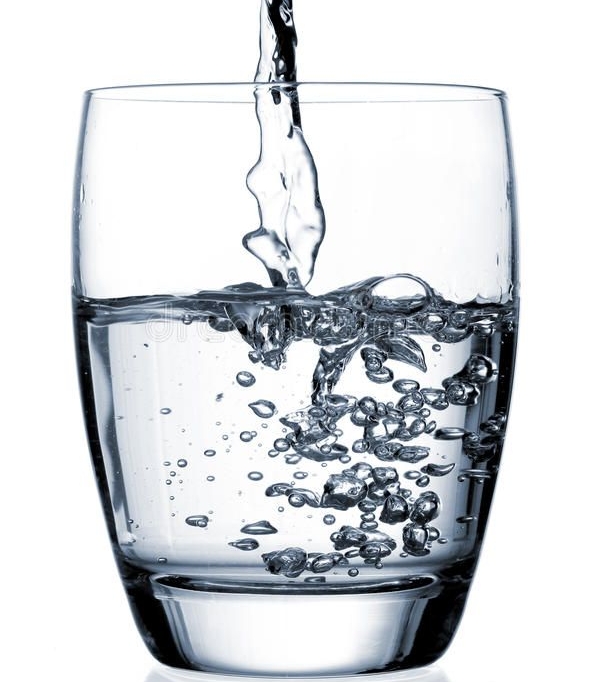
Water is essential for life. It transports nutrients and compounds in blood, regulates your body temperature, gets rid of waste, and lubricates and cushions joints.
Drink 8–10 cups of water every day.
Water is the best choice, but you can also consume other drinks, fruits and vegetables that contain water, for example lemon juice (diluted in water and unsweetened), tea and coffee. But be careful not to consume too much caffeine, and avoid sweetened fruit juices, syrups, fruit juice concentrates, fizzy and still drinks as they all contain sugar.
“Thousands have lived without love, not one without water.”
Eat moderate amounts of fat and oil
Consume unsaturated fats (e.g. found in fish, avocado, nuts, olive oil, soy and sunflower) rather than saturated fats (e.g. found in fatty meat, butter, coconut oil, cream, cheese and ghee).
Choose white meat (e.g. poultry) and fish, which are generally low in fat, rather than red meat.
Avoid processed meats because they are high in fat and salt.
Avoid industrially produced trans fats.

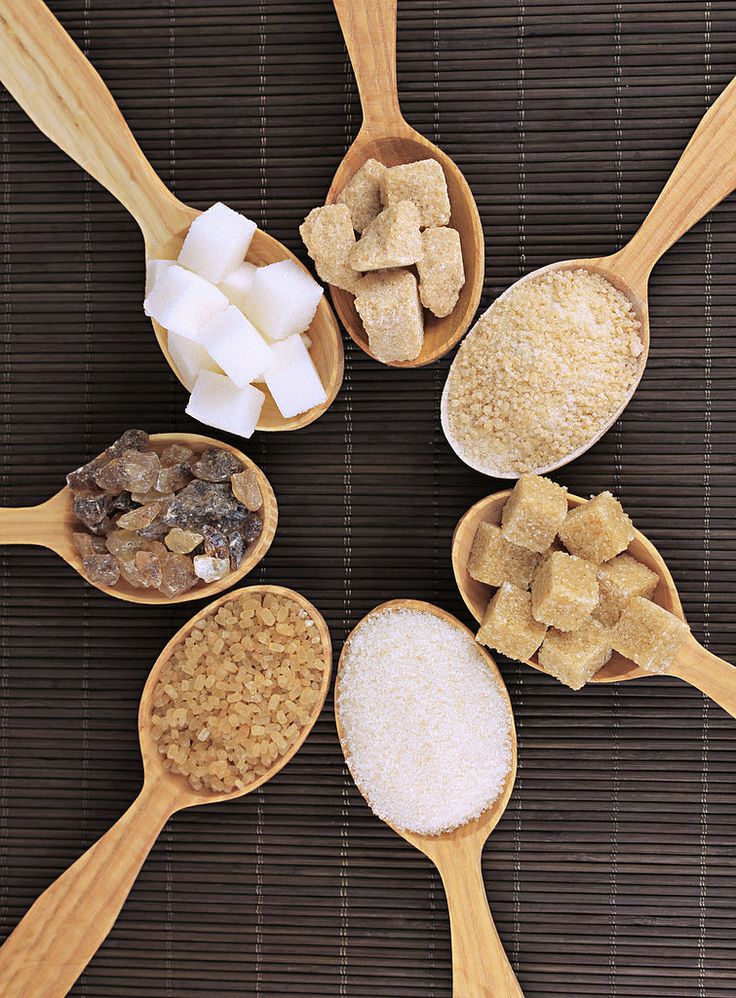
Eat less salt and sugar
When cooking and preparing food, limit the amount of salt.
Limit your daily salt intake to less than 5 g (approximately 1 teaspoon), and use iodized salt.
Avoid foods (e.g. snacks) that are high in salt and sugar.
Limit your intake of soft drinks or sodas and other drinks that are high in sugar (e.g. fruit juices, fruit juice concentrates and syrups, flavoured milks and yogurt drinks).
Choose fresh fruits instead of sweet snacks such as cookies, cakes and chocolate.
Avoid eating out
Eat at home to reduce your rate of contact with other people and lower your chance of being exposed to COVID-19. We recommend maintaining a distance of at least 1 metre between yourself and anyone who is coughing or sneezing. That is not always possible in crowded social settings like restaurants and cafes. Droplets from infected people may land on surfaces and people’s hands (e.g. customers and staff), and with lots of people coming and going, you cannot tell if hands are being washed regularly enough, and surfaces are being cleaned and disinfected fast enough.
Counselling and psychosocial support
While proper nutrition and hydration improve health and immunity, they are not magic bullets. People living with chronic illnesses who have suspected or confirmed COVID-19 may need support with their mental health and diet to ensure they keep in good health. Seek counselling and psychosocial support from appropriately trained health care professionals and also community-based lay and peer counsellors.

 Daily Healthyou